
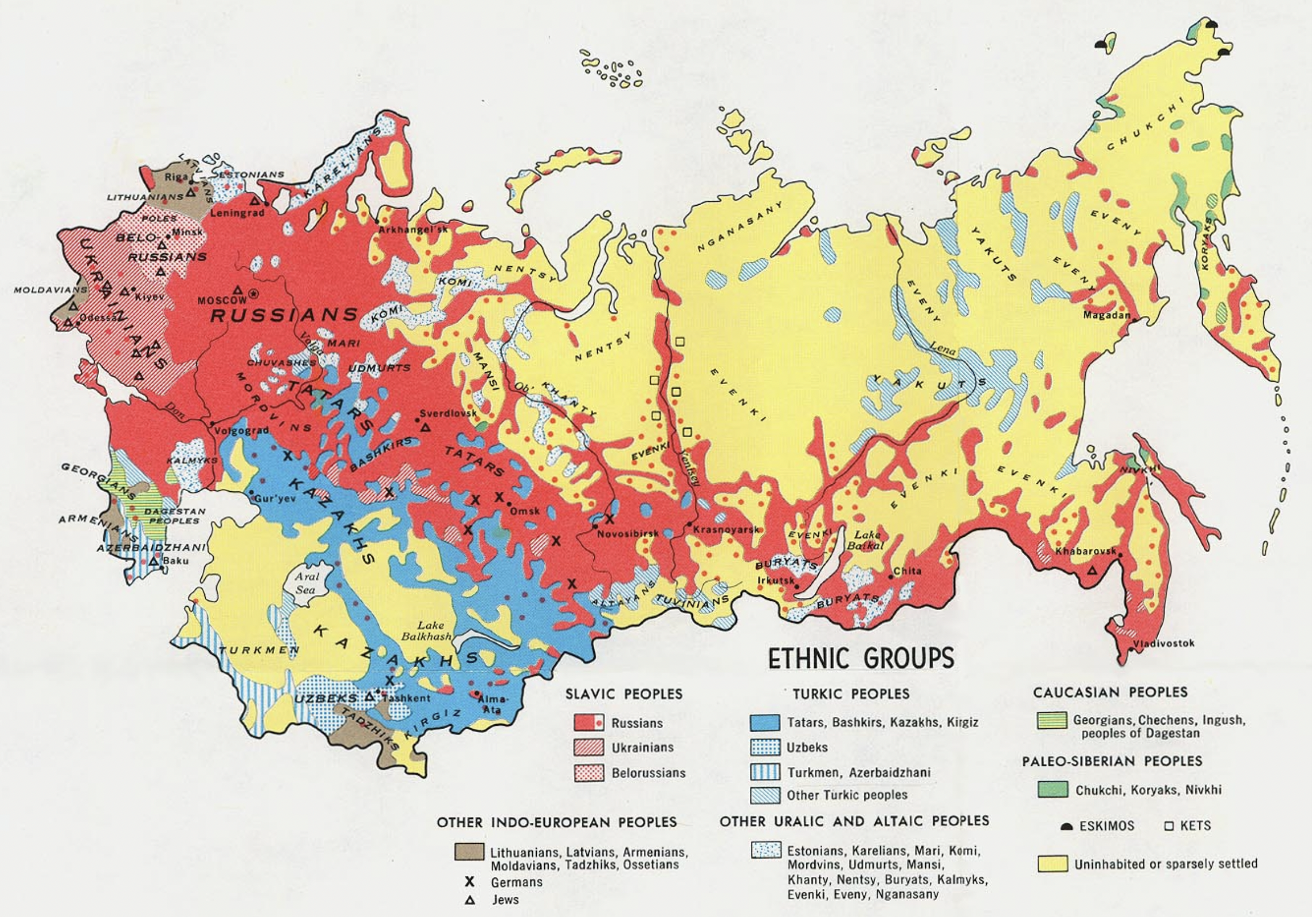
Indigenous people territories in modern Russian Federation (2018)
The Tatars are one of 100+ indigenous ethnicities who populate the territories of modern Rossiyan (Russian) Federation. Per 2021 census, the Tatars are the largest non-Slavic ethnic group comprising of 3.2% (down from 3.7% of 2010 census) of total population of the Rossiyan Federation. Although the Tatars are scattered across the large areas within Russia (4.7 million per 2021 census) and worldwide, most Tatars reside in Tatarstan. The Tatars have customs and traditions that are influenced by Islam and Turkic worldview. Throughout centuries, the Volga Tatars have been prominent contributors to education, literature, science, performing and decorative art. The cultural heritage of the Tatars is distinct, rich and robust.
The modern Tatars trace their roots to: 1) the early EurAsian nomads: Xiongnu , Huns, Sakā (from Iranian “to roam”), Scythians (from Indo-European skuδ ~”archer), Bulgars (from proto-Turkic root bulģha “to mix, shake, stir”), Turks, Kipchaks and 2) the Volga Bulgars , who established a powerful medieval state on the border of Europe and Asia.
The closest ancestors of the modern Tatars (who earlier had been called as Bulgars, Kipchaks, Muslims, Tartars) settled in their indigenous territories encompassing the majestic and strategic confluence of Volga and Kama rivers (modern Tatarstan) in 7-9th centuries CE after splitting from the Great Bulgaria established in 630 CE in the northern shores of the Black Sea (the Bulgarians of modern Republic of Bulgaria share the roots and the ancient history with the modern Tatars of Rossyan Federation).
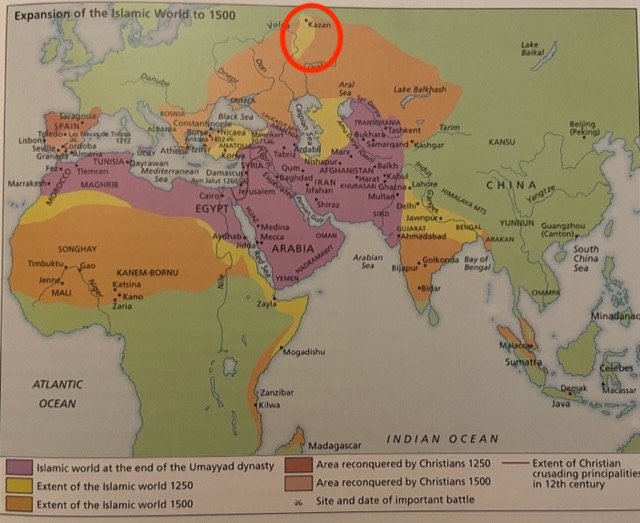
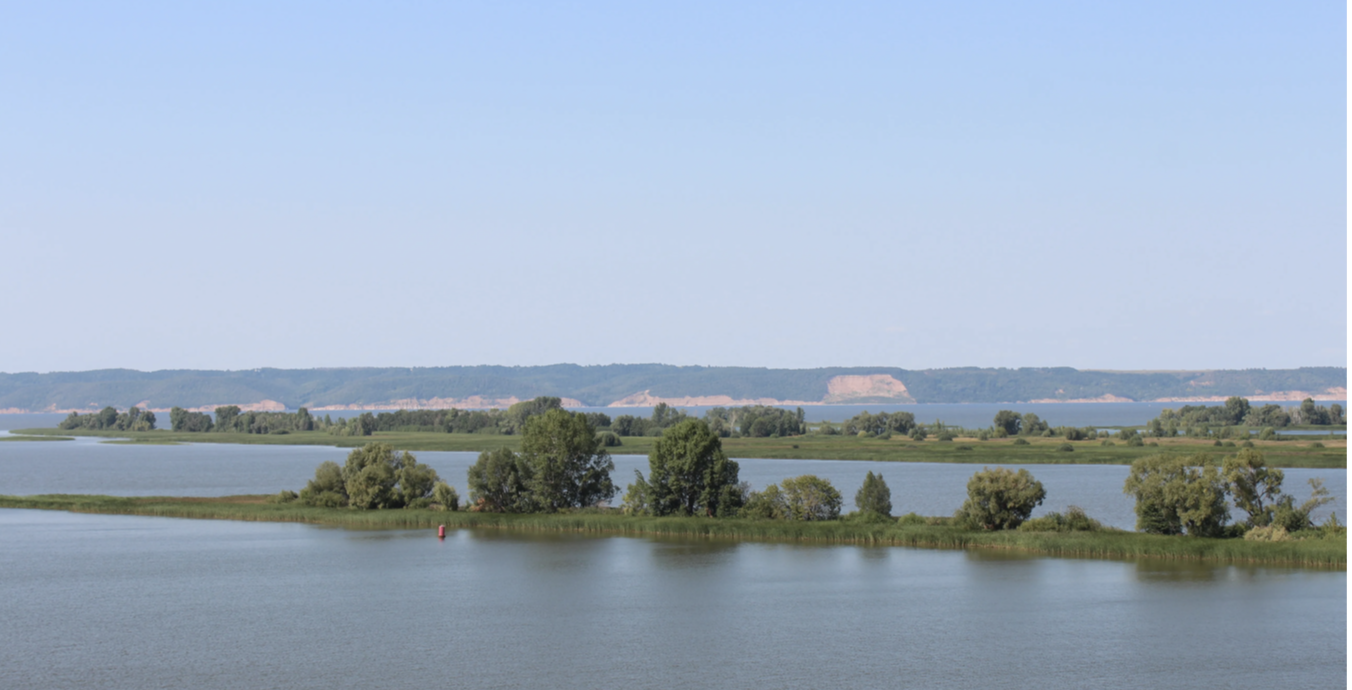 Between 9th-13th centuries, the main gate of the Volga Trade route that fed into the Silk Roads route was in powerful hands of the Volga Bulgars. Official acceptance of Islam in 922 CE under guidance of Ibn Fadlan’s envoy sent by Abbasid caliph al-Muqtadir made Volga Bulgaria the northernmost Muslim state, where (as in any medieval Muslim center) education, arts and social benevolence were emphasised and developed. Modern Tatars’ religious attachments vary: some fully practice Islamic rituals, some do it selectively, some continue introduced-by-Soviet-rule ideology of atheism and agnosticism.
Nowadays, the modern Tatars are a stateless nation: their indigenous territories are the part of Rossiyan Federation. The early Tatars (Bulgars) had spread throughout the EurAsian continent: The Tatars were instrumental in connecting Turkic semi-nomadic people for many centuries. In the Middle Ages, the “Turki” language / Tatar tongue had been serving as an intermediary: spreading Islamic education and craftsmanship between the Turkic languages-speaking people populating the Eurasian continent.
As a member of the Turkic language family, the Tatar language is mutually intelligible with a majority of the 35 documented Turkic languages (such as Azerbajani, Bashkir, Kazakh, Kyrgyz, Turkish, Uzbek to name a few). The Tatars share not only language similarities but also cultural origins with most Turkic languages-speaking ethnic groups. The Tatar culture, customs and traditions are influenced by the pan-Turkic and Islamic norms, traditions and mindsets.
Over the centuries, the Tatars (Bulgars) had been migrating. The largest Tatar population, nowadays, stays in their indigenous lands- Volga and Kama rivers banks and are referred as Volga Tatars. Lipka Tatars reside in Belarus, Lithuania and Poland. Astrakhan Tatars live by the Caspian Sea. Siberian Tatars populate vast areas between Ural Mountains and Yenisei River. Crimean Tatars are the indigenous people of Crimean Peninsula. After World War I, a vast group of the Tatars migrated to the other parts of the world. Nowadays, Tatar diasporas are identified in Afghanistan, Australia, Belgium, Canada, China, Finland, Germany, Japan, Mexico, Turkiye, Ukraine, USA. Big Tatar diasporas are thriving in Turkestan/Central Asian countries: Kazakhstan, Uzbekistan, Kyrgyzstan, Tajikistan, Turkmenistan, also in Azerbaijan.
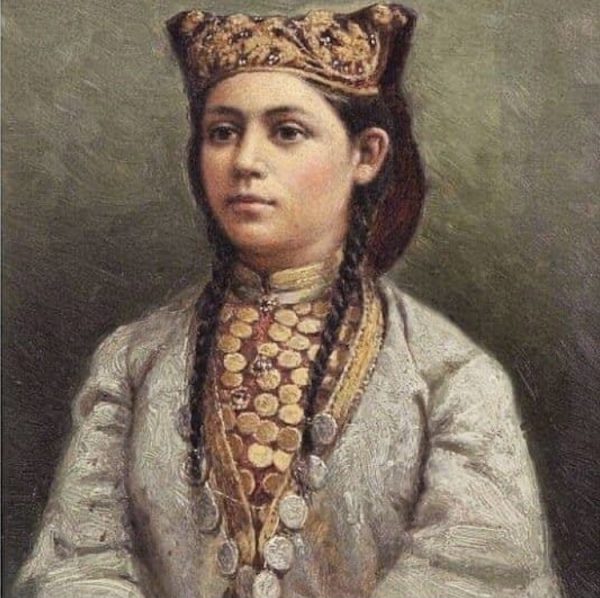
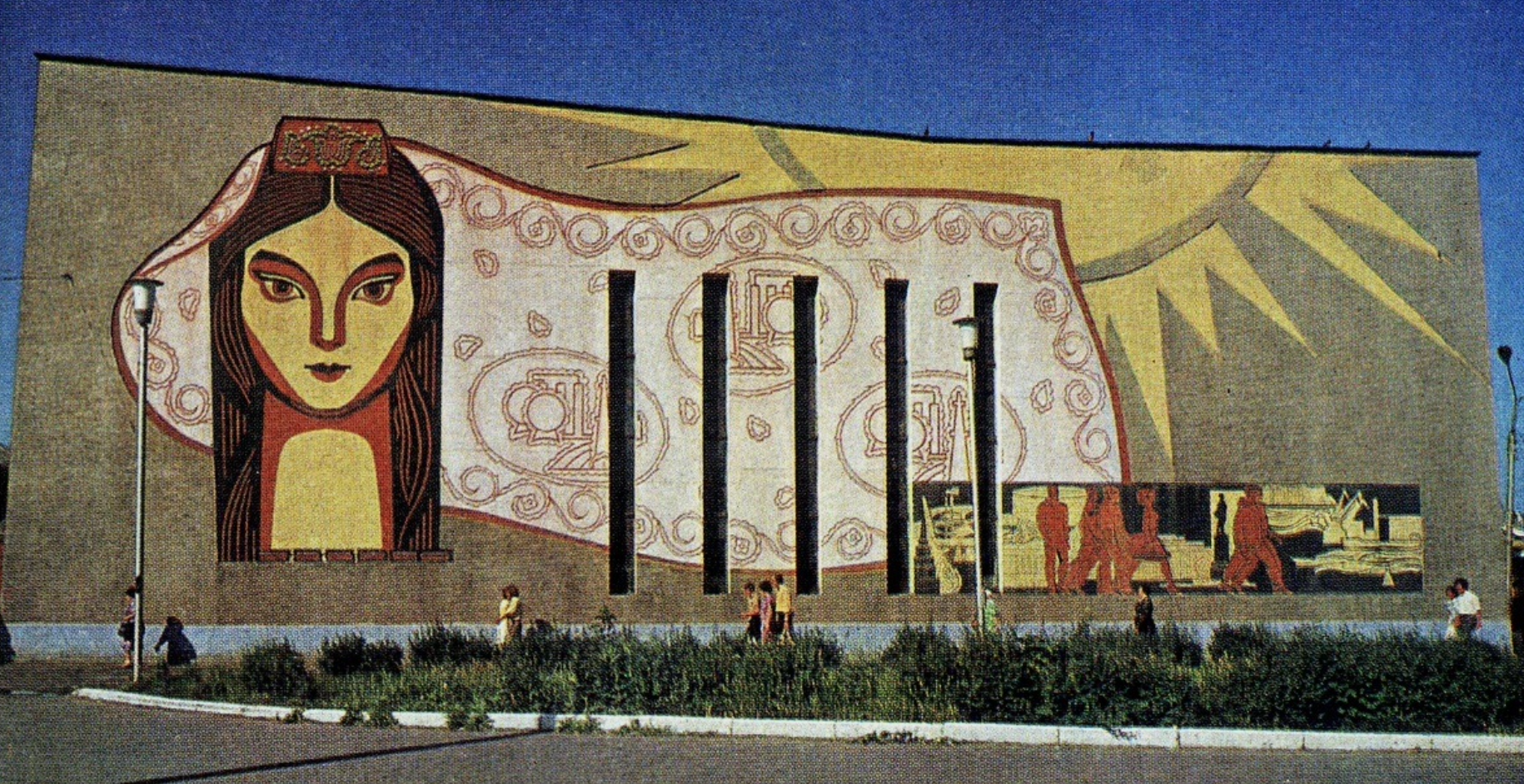
Here are some images of the Tatar girls of the 19th, 20th and 21st centuries who are pictured wearing Tatar traditional outwear. You can view more modern Tatar types in this video or enjoy Tatar folk tunes and colorful Tatar ethnic costumes while watching this traditional Tatar folk dance. The Tatar boots – shchiteqler – have always been essential in forming an identity and the image of the Tatar people. Explore this website to learn more about the unique art of the leather mosaic – the unique technology the shchiteqler made with – that has been mastered by the Tatar people over centuries.


 Unique Leather Mosaic of the Tatars
Pingback: Unique Leather Mosaic